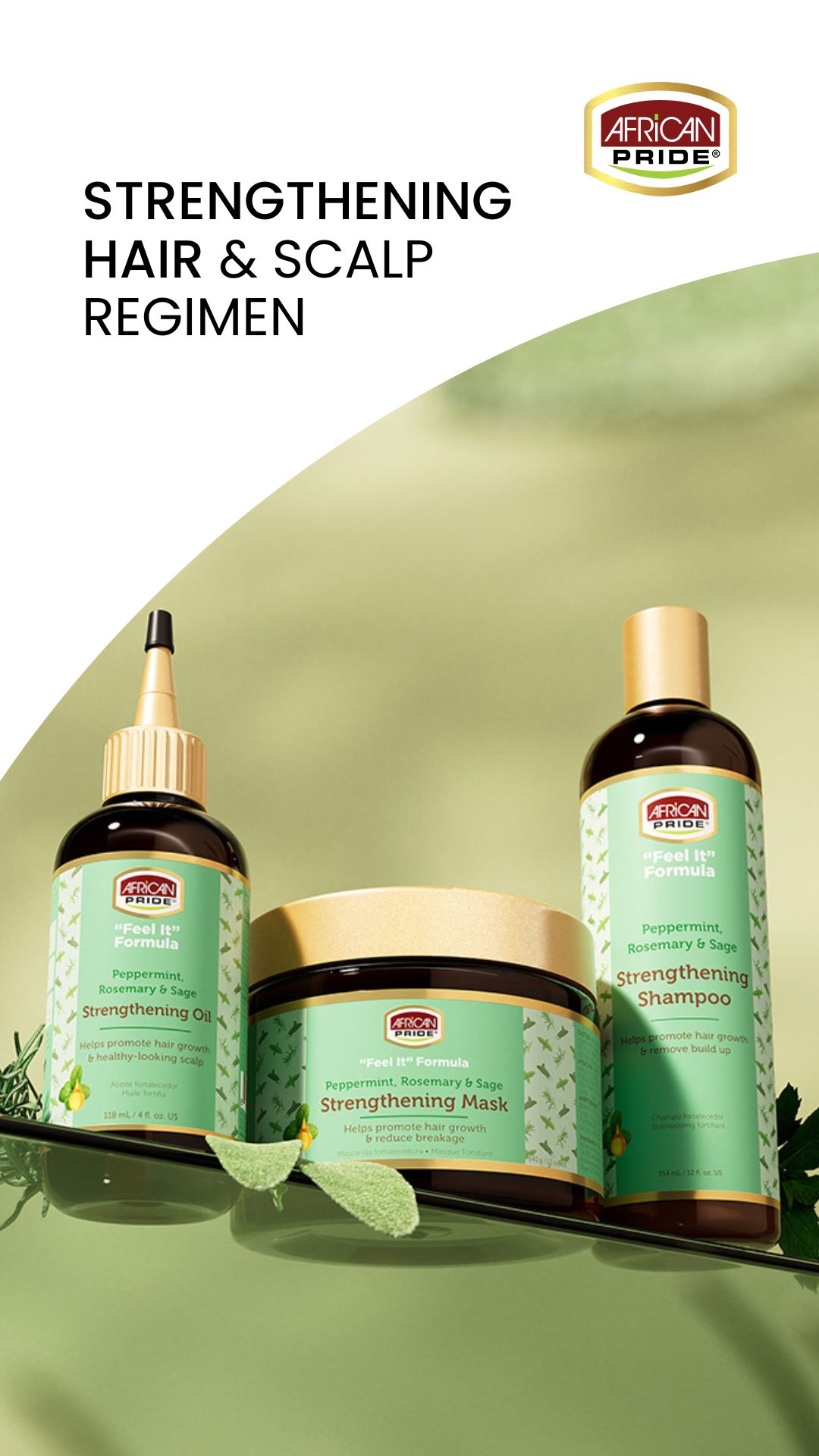
Today, a vast array of hair conditioners lines our shelves, promising everything from deep hydration to frizz control and vibrant shine. It’s hard to imagine a hair care routine without them. But the concept of softening, detangling, and improving the manageability of hair is far from new. The journey of hair conditioner, though often overlooked, is a testament to humanity’s enduring quest for beautiful, healthy-looking hair.
Ancient Roots: The Quest for Manageable Tresses
The desire for soft, well-behaved hair didn’t begin in a modern salon; it dates back to ancient civilizations. Long before commercially produced conditioners, people used natural ingredients to moisturize and protect their hair.
-
Ancient Egypt: Known for their elaborate hairstyles and meticulous grooming, Egyptians used almond oil, olive oil, and even animal fats (like bear grease) to add shine, prevent dryness, and hold styles. These substances would have coated the hair shaft, providing a rudimentary form of conditioning.
-
Ancient Greece & Rome: Similar practices were common, with olive oil being a staple for both skin and hair. They would apply these oils to soften hair and make it more manageable, especially after harsh cleansing agents or exposure to the elements.
-
Various Cultures: Across many ancient and indigenous cultures, plant extracts, herbal rinses, and natural oils (such as coconut oil in tropical regions) served as natural conditioners, passed down through generations. These not only nourished the hair but often also contained medicinal properties for scalp health.
The Dawn of Modern Haircare: Before “Conditioner”
The 19th century brought significant changes to personal hygiene, including hair care. While shampoo (often made from soap) became more common, it often left hair feeling coarse and difficult to comb. This created a demand for something to counteract the harsh effects of early cleansers.
The true precursor to modern conditioner emerged at the turn of the 20th century. A renowned perfumer, Ed. Pinaud, introduced a product called “Brilliantine” at the 1900 Paris Exposition. Pinaud’s Brilliantine was designed to soften men’s beards and hair, making it easier to style and adding a glossy finish. While not a rinse-out conditioner as we know it today, it was one of the first commercially available products specifically formulated to improve the texture and appearance of hair after washing.
The Chemical Revolution: From Rinse to Repair
The mid-20th century marked a significant leap in conditioner technology, driven by advancements in chemistry and a burgeoning beauty industry.
-
Post-War Boom & Chemical Innovation: After World War II, the chemical industry flourished, leading to the development of new surfactants and conditioning agents. Early conditioners were often simple acidic rinses, like diluted vinegar, used to close the cuticle after alkaline shampoos.
-
The “Cream Rinse” Era: By the 1950s and 60s, “cream rinses” became popular. These were typically lighter formulas designed for detangling and adding a temporary sheen. They contained cationic surfactants (positively charged molecules) which would bind to the negatively charged hair shaft, neutralizing static and smoothing the cuticle.
-
Targeted Treatments Emerge: The 1970s and 80s saw a diversification of conditioners. As hair styling became more complex (perming, coloring, heat styling), so did the need for products to combat damage. “Instant conditioners” and “deep conditioners” began to appear, offering more intensive repair and moisture. Ingredients like proteins and emollients became common.
Today’s Landscape: Specialized Science for Every Strand
The modern conditioner market is a testament to decades of scientific research and consumer demand. Today’s formulas are highly sophisticated, tailored to an incredible array of hair types and concerns:
-
Leave-in Conditioners: For continuous hydration and protection without rinsing.
-
Deep Conditioners & Hair Masks: Intensive treatments for damaged, dry, or color-treated hair, often packed with potent active ingredients.
-
Volumizing Conditioners: Formulated to add body without weighing hair down.
-
Color-Safe Conditioners: Designed to protect hair color from fading.
-
Sulfate-Free & Natural Formulas: Catering to consumers seeking gentler, more environmentally conscious options.
-
Specialized Treatments: From bond-repairing technologies to scalp health conditioners, the focus is on holistic hair wellness.
From the simple application of animal fats in ancient times to today’s complex, scientifically engineered products, the history of hair conditioner mirrors humanity’s ongoing pursuit of beauty and self-care. It’s a journey that transformed hair from merely cleansed to truly cared for, allowing us all to unlock our best, most manageable hair.