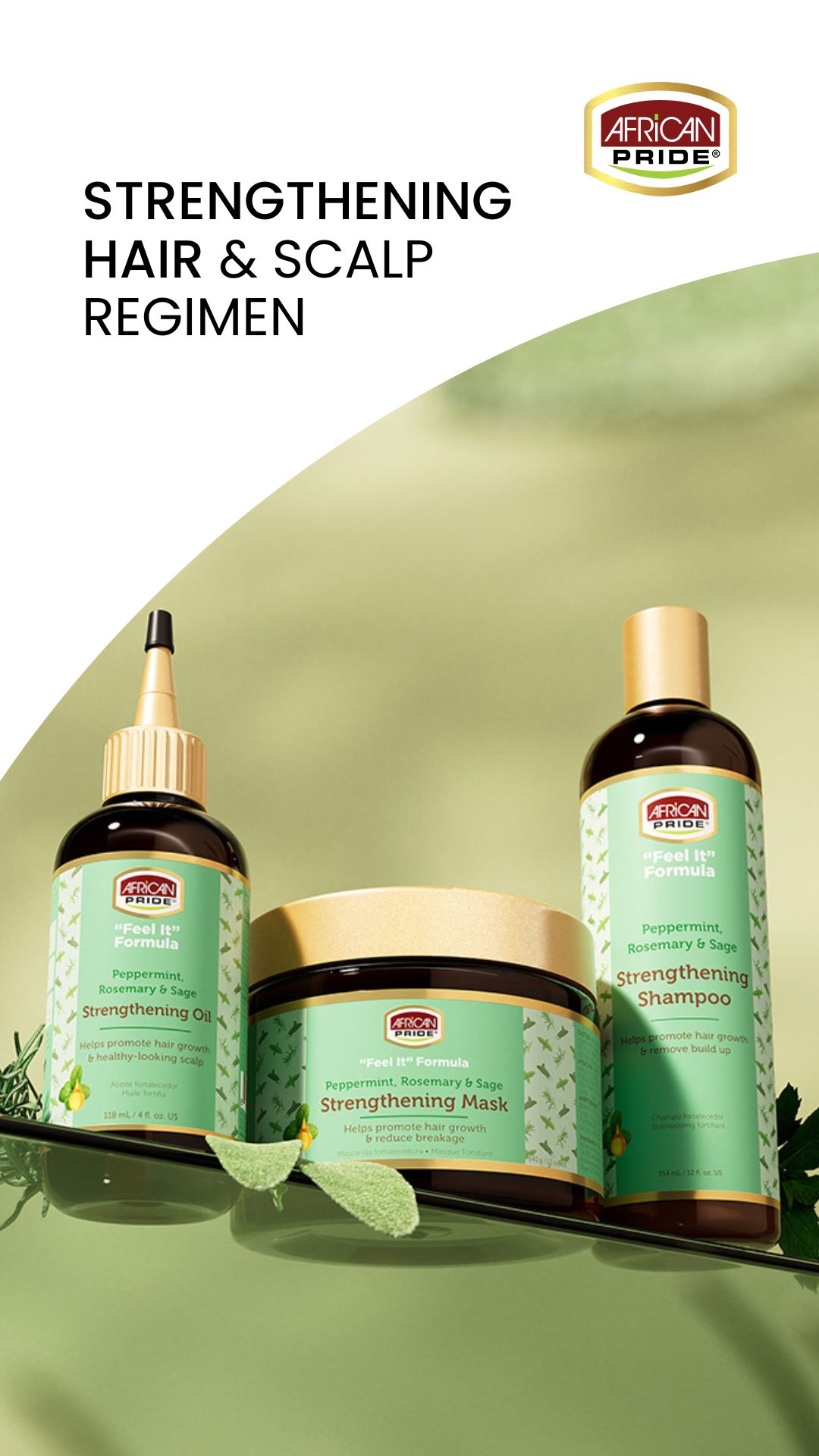
For anyone with waves, curls, or coils, the journey to healthy, vibrant hair often leads to one crucial destination: deep conditioning and specialized hair treatments. Far from being an occasional indulgence, these targeted treatments are the bedrock of a robust hair care routine, especially for textured hair which naturally craves extra moisture and nourishment.
Why Textured Hair Thrives on Deep Conditioning
Textured hair possesses a unique beauty, but its structure—characterized by bends and twists—also makes it more susceptible to dryness and breakage. The natural oils from the scalp struggle to travel down the curvy hair shaft, leading to parched ends and a compromised cuticle. This is where deep conditioners step in, delivering an intensive dose of hydration and restorative ingredients that regular conditioners simply can’t match.
The Power of Deep Conditioning:
-
Intense Hydration: Deep conditioners penetrate the hair cuticle, infusing strands with much-needed moisture to combat dryness and improve flexibility.
-
Enhanced Elasticity: Regular use helps restore the hair’s natural spring, making it more resilient to manipulation and less prone to snapping.
-
Radiant Shine & Softness: Experience a noticeable difference in the hair’s texture—it becomes significantly softer, smoother, and boasts a healthy luster.
-
Frizz Control: Hydrated hair is less likely to absorb ambient moisture, effectively reducing frizz and promoting smoother curl patterns.
-
Strength & Repair: Many formulas include strengthening agents like proteins that help repair damage from styling, environmental stressors, or chemical treatments.
Decoding Deep Conditioners: Moisture vs. Protein
Not all deep conditioners are created equal. Understanding the difference between moisture-based and protein-based formulas is key to addressing your hair’s specific needs:
-
Moisture-Based Deep Conditioners:
-
Purpose: To quench thirsty, dry, or brittle hair.
-
Key Ingredients: Humectants (glycerin, hyaluronic acid), rich oils (argan, jojoba, olive), and butters (shea, mango).
-
When to Use: Weekly or bi-weekly. Ideal if your hair feels rough, looks dull, or lacks pliability.
-
-
Protein-Based Deep Conditioners:
-
Purpose: To strengthen weak, damaged, or overly stretchy hair, often a result of chemical processes (coloring, relaxers).
-
Key Ingredients: Hydrolyzed wheat protein, keratin, silk amino acids.
-
When to Use: Monthly or every 6-8 weeks. Caution: Overuse can lead to stiff, brittle hair, so a balanced approach is crucial.
-
-
Balancing Deep Conditioners:
-
Purpose: Offer a harmonious blend of moisture and a lighter dose of protein, perfect for maintaining healthy hair without specific damage concerns.
-
When to Use: Every 2-3 weeks for general maintenance.
-
Master Your Deep Conditioning Routine
Achieving optimal results requires more than just slathering on a product. Follow these steps for an effective deep conditioning session:
-
Start Clean: Shampoo your hair thoroughly to remove buildup. A clean canvas allows the deep conditioner to penetrate deeply.
-
Apply Generously: Divide your hair into sections and apply the product evenly from roots to ends, ensuring full saturation.
-
Gentle Detangling: While the conditioner is in, use your fingers or a wide-tooth comb to gently work through any tangles.
-
Embrace Heat: Heat opens the hair cuticles, enhancing product absorption. Use a hooded dryer, a hair steamer, or simply cover your hair with a plastic cap and wrap a warm towel around it.
-
Allow Time: Adhere to the product’s recommended time, typically 15-30 minutes.
-
Rinse Cool: Rinse thoroughly with cool water to help seal the hair cuticle, locking in moisture and shine.
Beyond Deep Conditioners: Specialized Treatments for Targeted Care
In addition to your core deep conditioning routine, consider incorporating these specialized treatments to address specific concerns:
-
Hot Oil Treatments: Warm oils (coconut, olive, castor, jojoba) applied to the hair and scalp can boost shine, reduce frizz, and promote a healthy scalp environment. Use monthly before shampooing.
-
Pre-Poo Treatments: Applied before shampoo, a pre-poo (often an oil blend or a specific treatment) creates a protective barrier, preventing your shampoo from stripping essential moisture. Excellent for very dry hair.
-
Leave-In Conditioners: While not a rinse-out treatment, a good leave-in is non-negotiable for textured hair. It provides daily moisture, detangling, and protection, keeping your hair soft and manageable between washes. Apply to damp hair after rinsing out your regular conditioner.
-
Hair Masks: Often interchangeable with deep conditioners, specific hair masks are formulated for intense repair, growth stimulation, or color preservation.
Crafting Your Personalized Treatment Schedule
A consistent routine yields the best results. Here’s a sample schedule to get you started, but always listen to your hair’s unique needs:
-
Weekly: Moisture-based deep conditioner
-
Bi-weekly/Monthly: Hot oil treatment
-
Monthly (or as needed): Protein-based deep conditioner (if hair is damaged or weakened)
-
Every Wash Day: Pre-poo (if needed) and leave-in conditioner
Remember: Your hair’s needs can fluctuate with weather changes, styling habits, or chemical processes. Be flexible and adjust your treatments accordingly.
The Transformative Power of Consistency
Committing to a regular regimen of deep conditioning and specialized treatments is the secret to unlocking your textured hair’s full potential. The benefits are profound: reduced breakage, improved length retention, beautifully defined curls, and an overall healthier, more vibrant mane.
Invest in your curls, and watch them flourish!